
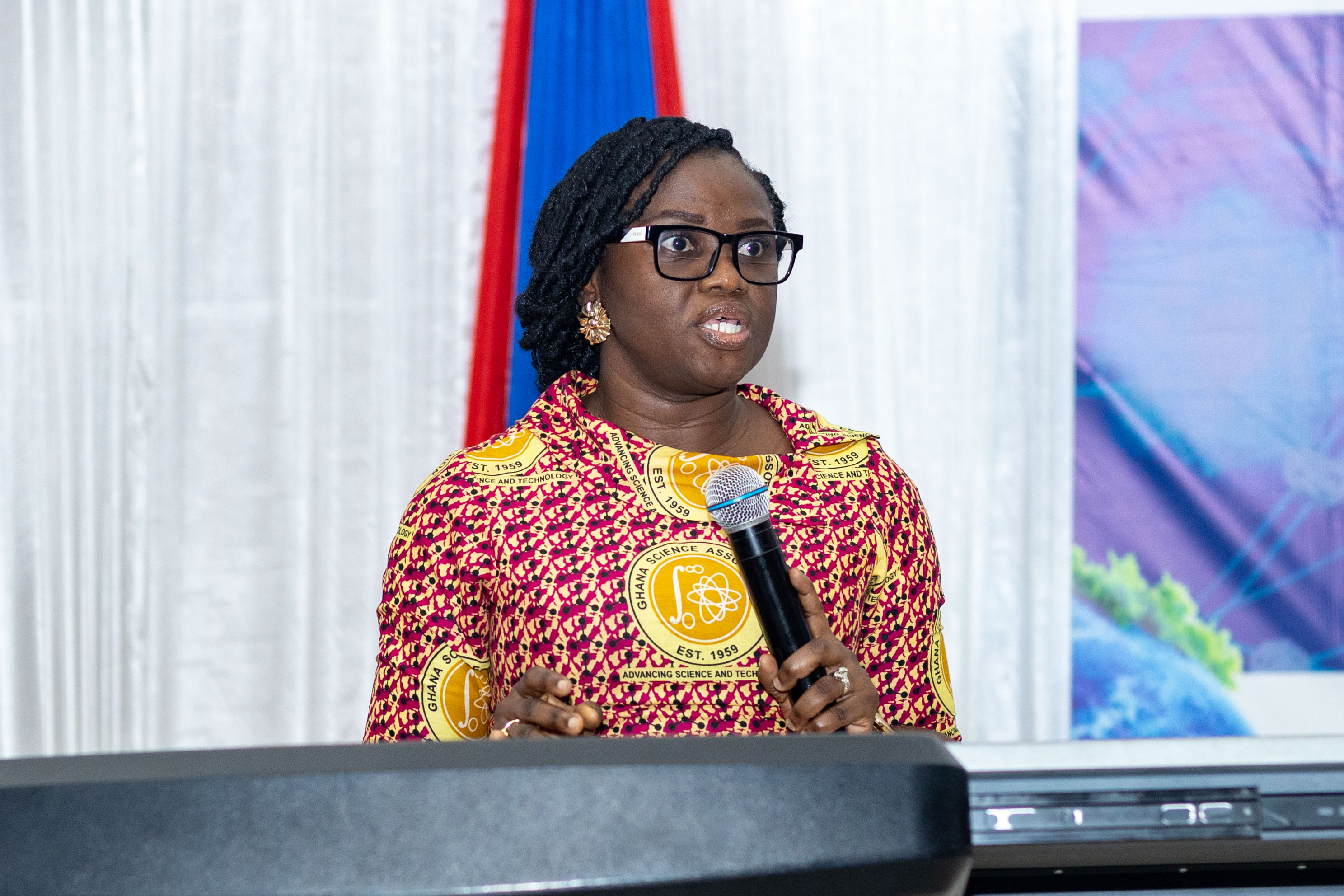
The Ghana Science Association (GSA), Kumasi Branch, has urged universities and research institutions to strengthen a culture of impactful research that translates academic work into practical solutions for sustainable development.
The call was made during the branch's annual conference as researchers presented studies spanning climate change, agriculture, artificial intelligence, food safety, diabetes and malaria.
The conference is being held under the theme, “Integrating Climate Science, Artificial Intelligence, and Environmental Stewardship for Sustainable Resource Management in a Changing World.”
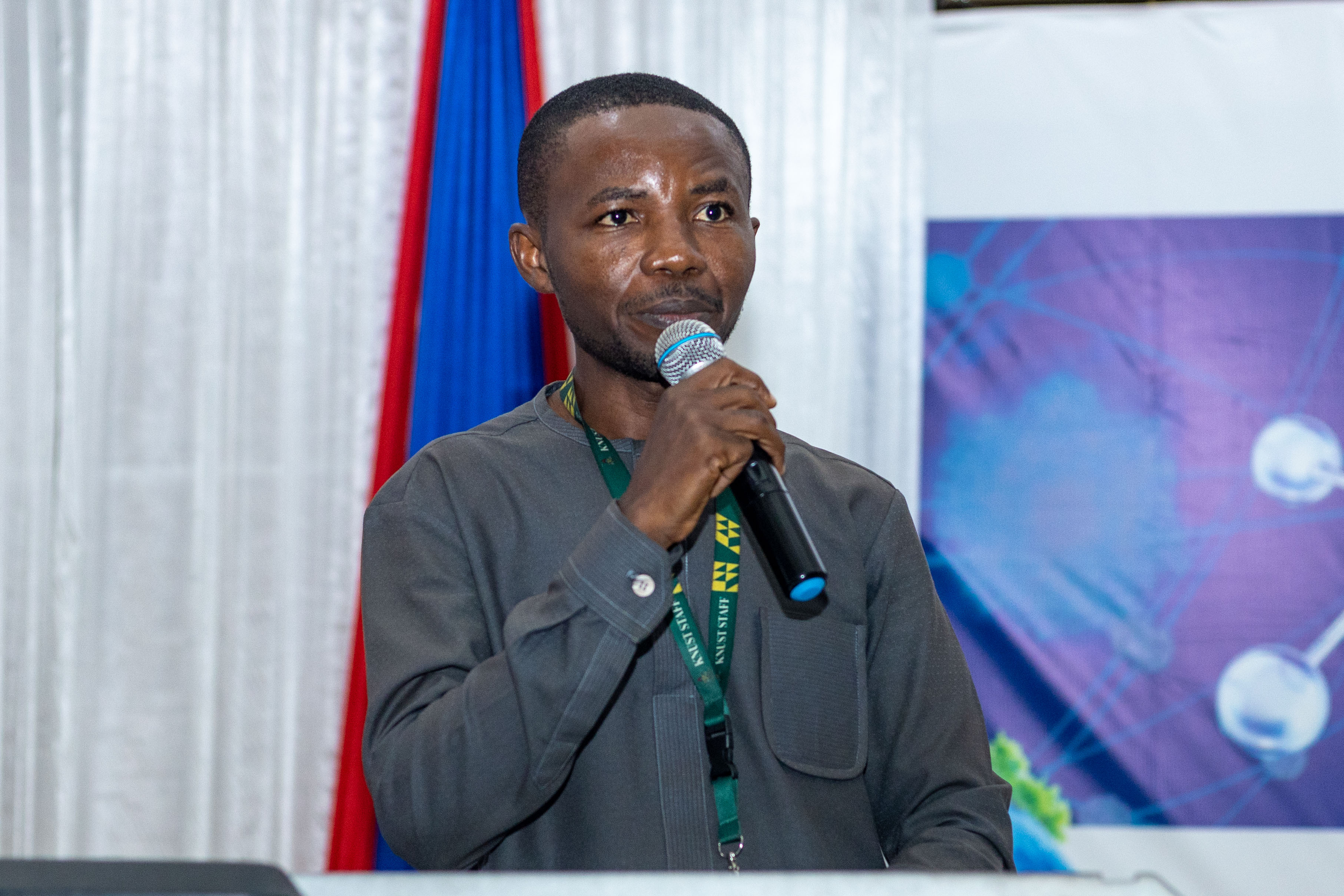
Professor Camillus Abawiera Wongnaa, Co-Editor of the African Journal of Agricultural and Resource Economics (AfJARE), said climate change was increasingly affecting agricultural systems, natural resources, economies and livelihoods, while artificial intelligence was transforming how knowledge is generated and applied.
Speaking on the topic, “From Thesis Shelves to Global Impact: Building a Research Culture for Sustainable Development in the Age of Climate Change and Artificial Intelligence,” he said environmental stewardship must be treated as a shared responsibility, with research playing a central role in addressing complex societal challenges.
“No nation can sustainably develop beyond the quality of its research. Research is the engine of innovation and the foundation of evidence-based decision-making,” he said.
Professor Wongnaa said many undergraduate projects, master's dissertations and doctoral theses were completed and defended but eventually left on shelves without being developed into publications or practical interventions.
“Every student’s research must matter. One of the greatest mistakes we make in academia is to treat student research as a graduation requirement rather than a contribution to knowledge,” he stated.
He urged students to regard their research projects not merely as requirements for graduation but as opportunities to contribute to knowledge and address real-world problems.
Professor Wongnaa said research in climate change, sustainable agriculture, environmental management, resource conservation, artificial intelligence, food security, public health and industrial innovation could contribute directly to societal development.
He also encouraged students and young researchers to collaborate beyond their individual disciplines, saying complex challenges such as climate change and sustainable resource management required multidisciplinary approaches.
Research explores potential of Annona muricata in diabetes studies
Monica Awelinga, a researcher and teaching assistant at the Department of Biochemistry, presented findings from a study assessing the potential of Annona muricata leaf extract to reduce blood glucose levels in laboratory rats with experimentally induced diabetes.
Presenting on the topic, “Assessing the Anti-Diabetic Potential of Annona muricata Leaf Extract on Alloxan-Induced Diabetic Rats,” Awelinga said the study recorded a significant reduction in blood glucose levels in the laboratory animals after administration of the plant extract.
She said the findings could provide a basis for further research into the plant's potential role in complementary approaches to managing hyperglycaemia.
“The central feature of diabetes is persistent or prolonged hyperglycemia,” she explained.
Awelinga said the research was conducted against the backdrop of interest in investigating additional approaches to diabetes management alongside established treatments such as metformin and insulin.
She said the cost of treatment had also contributed to growing research interest in medicinal plants containing compounds that could potentially influence blood glucose regulation.
Study examines food safety of grilled tilapia in Kumasi
Raphael Obeng of the Department of Theoretical and Applied Biology at the Kwame Nkrumah University of Science and Technology, Kumasi (KNUST) presented research examining potential food safety concerns associated with grilled tilapia sold in the Kumasi Metropolis.
The study examined grilled tilapia from 32 vendors for the presence of Staphylococcus aureus, a bacterium associated with food poisoning and other infections. It also assessed vendors’ knowledge, attitudes and hygiene practices in the handling and sale of grilled tilapia.
Obeng said food preparation and handling practices could have implications for consumer health, particularly where appropriate food safety and hygiene measures were not observed.
“Grilled tilapia is a popular food choice for many people in Kumasi. From roadside vendors to food joints and busy market areas, the aroma of freshly grilled fish often attracts customers looking for an affordable and convenient meal,” Obeng said.
Researchers probe gut microbiome link to asymptomatic malaria
Another study presented at the conference is examining why some people can carry malaria parasites without showing common symptoms such as fever, chills or weakness.
The research seeks to detect Plasmodium parasites among participants and examine their gut microbiome to better understand biological factors that may contribute to some individuals carrying malaria parasites without showing symptoms.
Falilatu Yahaya, a research assistant at the Department of Biochemistry and Biotechnology, said the study was examining whether the functional characteristics of the gut microbiota could provide insights into why some people remain asymptomatic despite carrying malaria parasites.
She said investigating the relationship between malaria parasites and the gut microbiome could help researchers explore factors beyond the parasite itself that may be relevant to understanding malaria infection, transmission and persistence.
Story: Alice Laura K. Prempeh Photos: Kwame Twumasi-Ankrah


